When the Sweaty Betty Foundation came to us, they had a mission that was both urgent and under-leveraged, to tackle the hidden barriers stopping girls from participating in PE.
Our challenge was to take a problem that affects nearly every secondary school girl in the UK and make it impossible for the media, policymakers, and the public to ignore.
The strategy
One in three secondary school girls skip PE because of the thought of using school changing rooms. Yet this wasn't being talked about as the public health crisis it is.
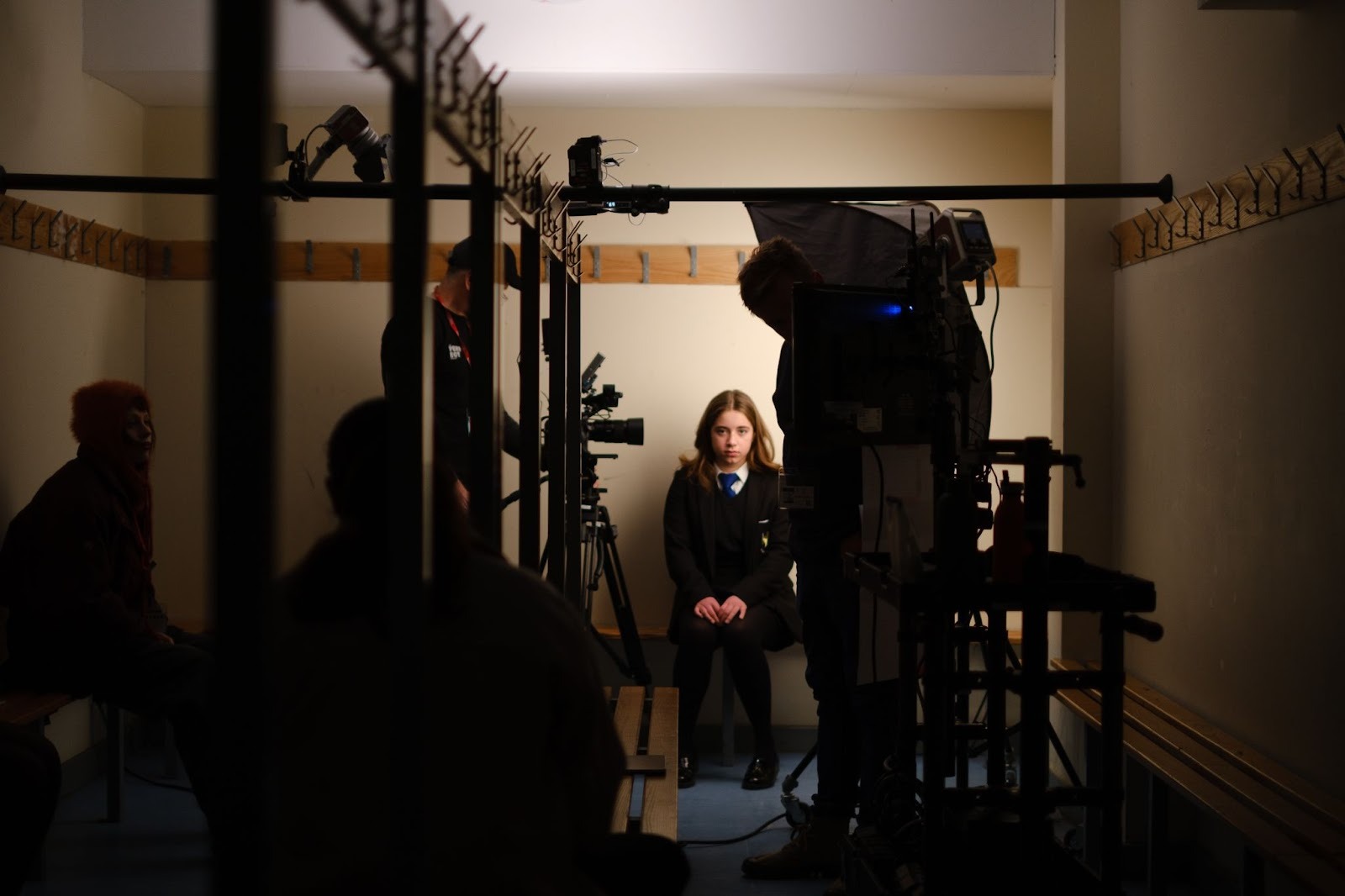
Changing rooms are being designed by adults, with no lived experience of what it feels like to be a teenage girl today, getting changed before PE. Adults make decisions about how changing rooms are designed, without ever asking the girls who use them what they actually need from these spaces.
Rather than positioning the Sweaty Betty Foundation as an organisation with the answers, we set out to prove that when you genuinely listen to girls, and place their voices at the centre of the design process from the start, the solutions become obvious.
Change Starts in the Changing Room
We commissioned original nationwide research with 2,000 secondary school girls and 200 PE teachers across the UK. But the research wasn't the campaign, the girls were.
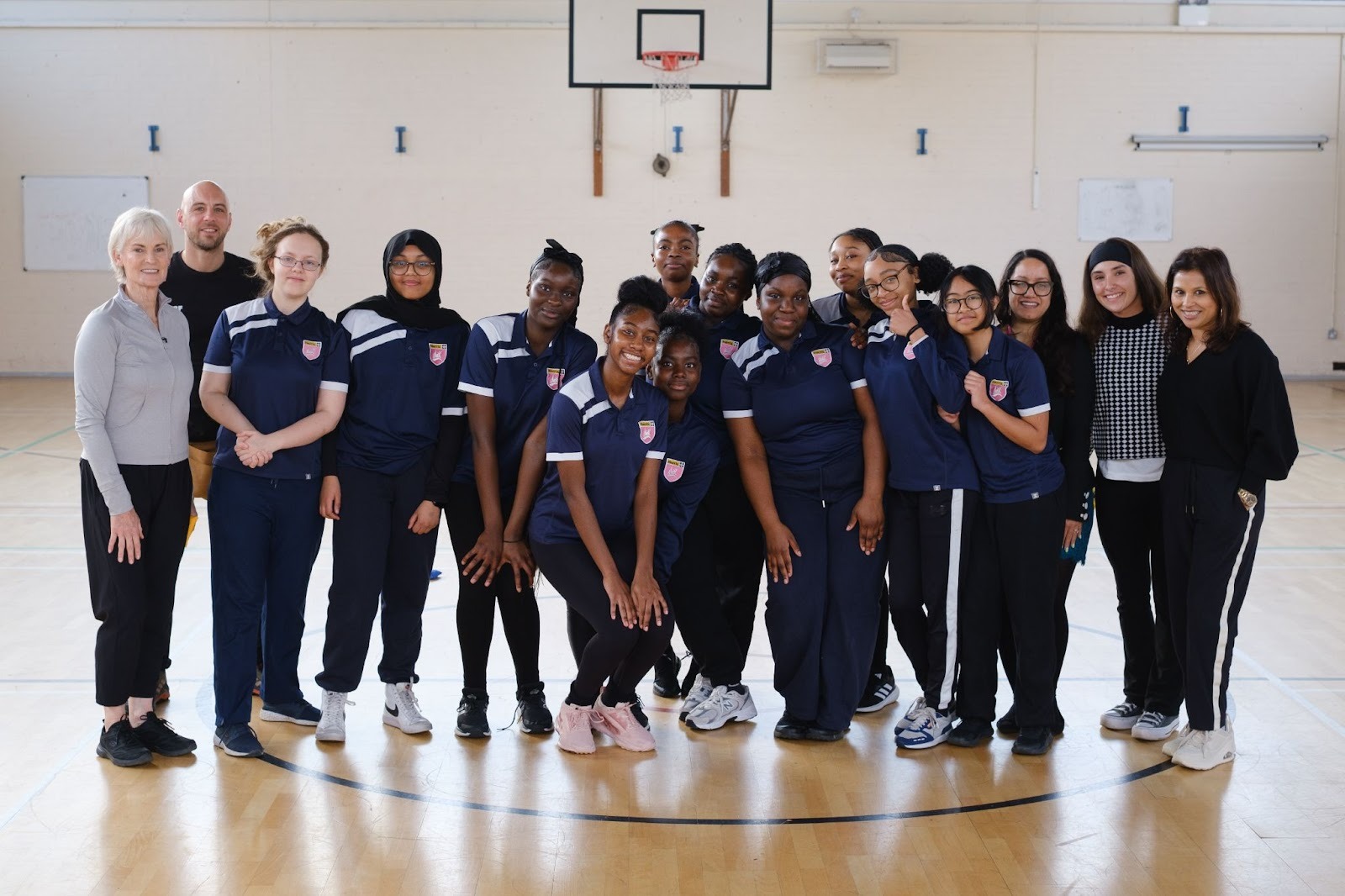
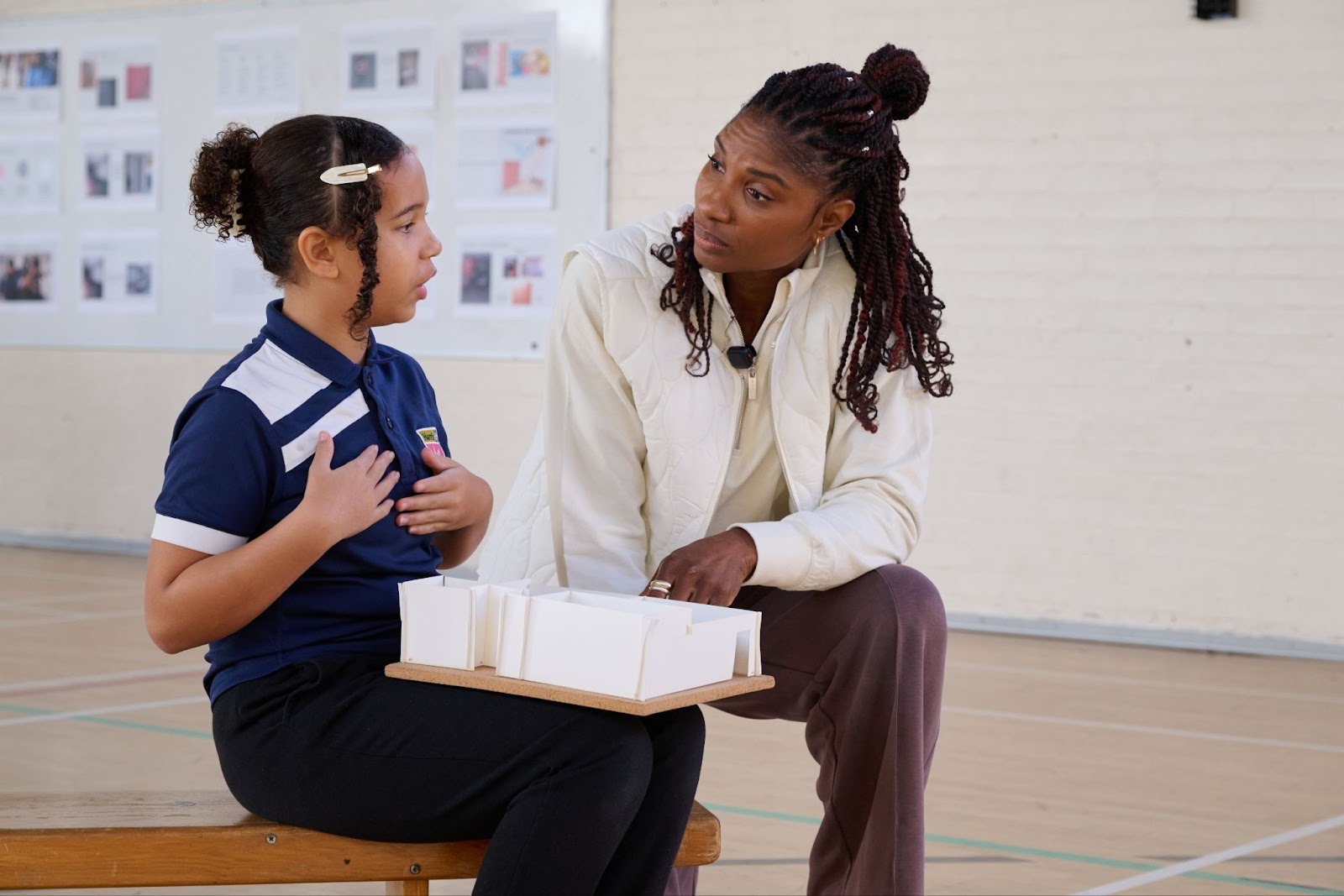
Working in partnership with the girls themselves, we designed a co-creation process that invited girls across five UK secondary schools to redesign their own changing rooms, generating proof that listening to girls produces real change.
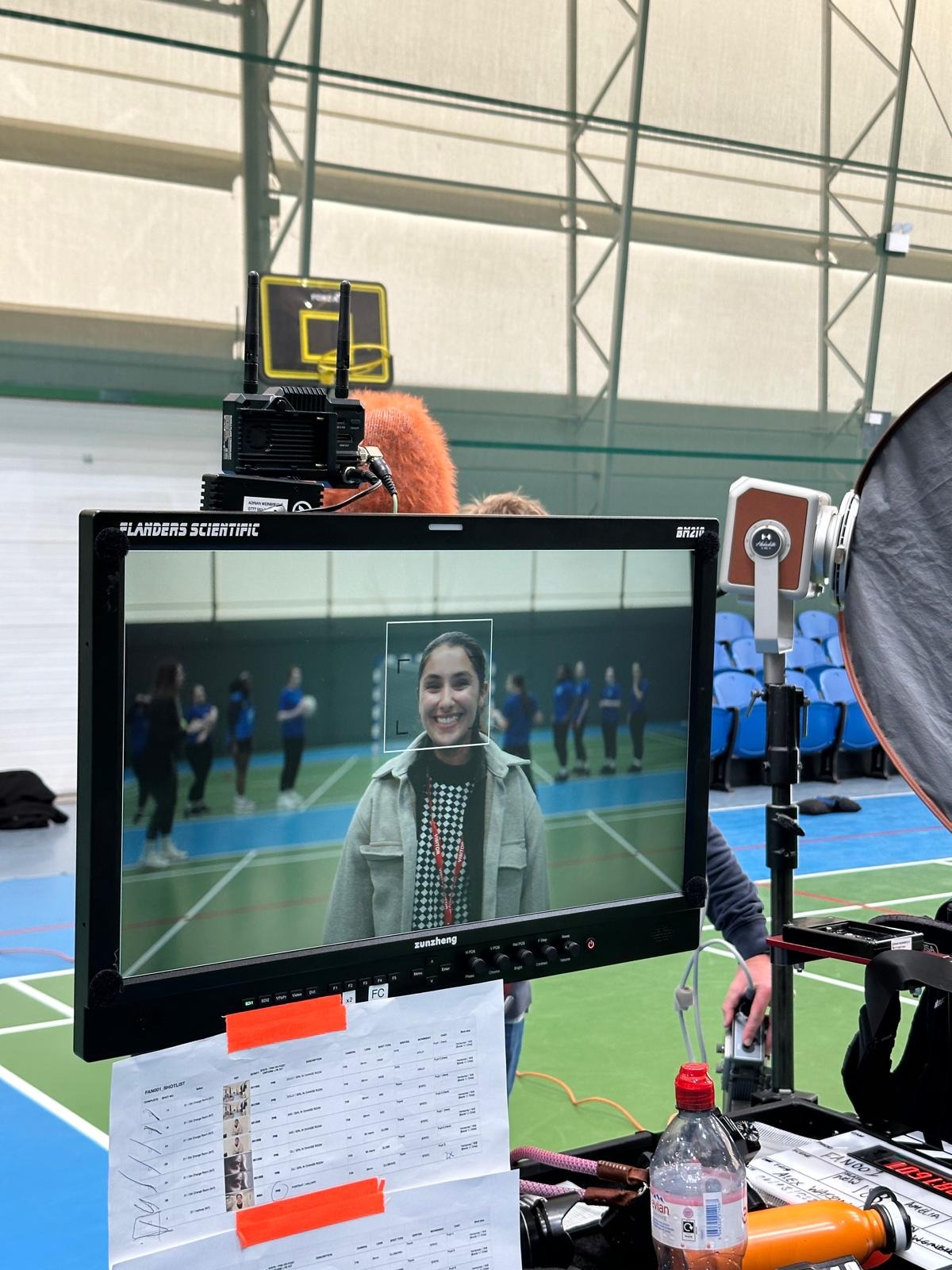
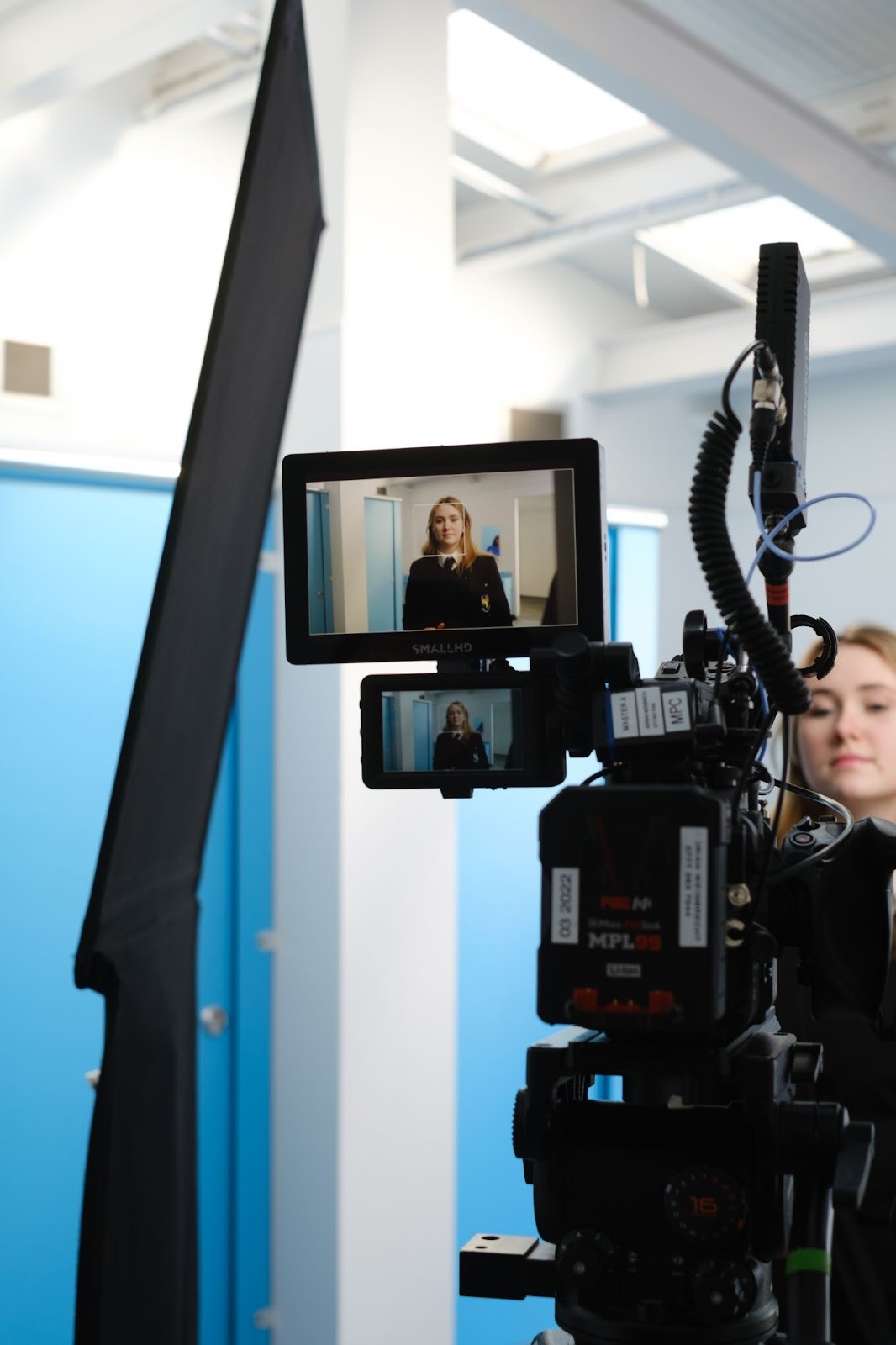
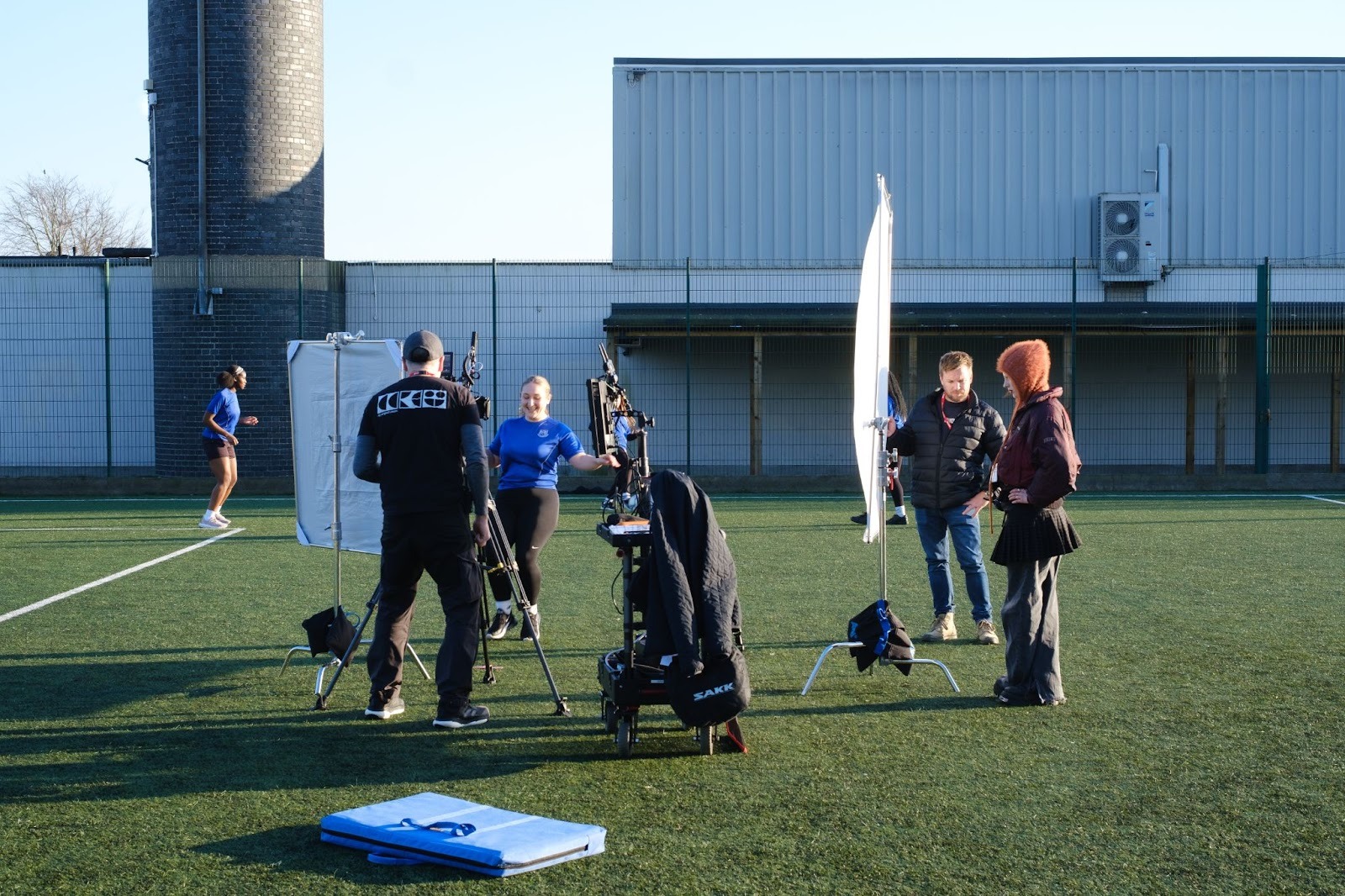
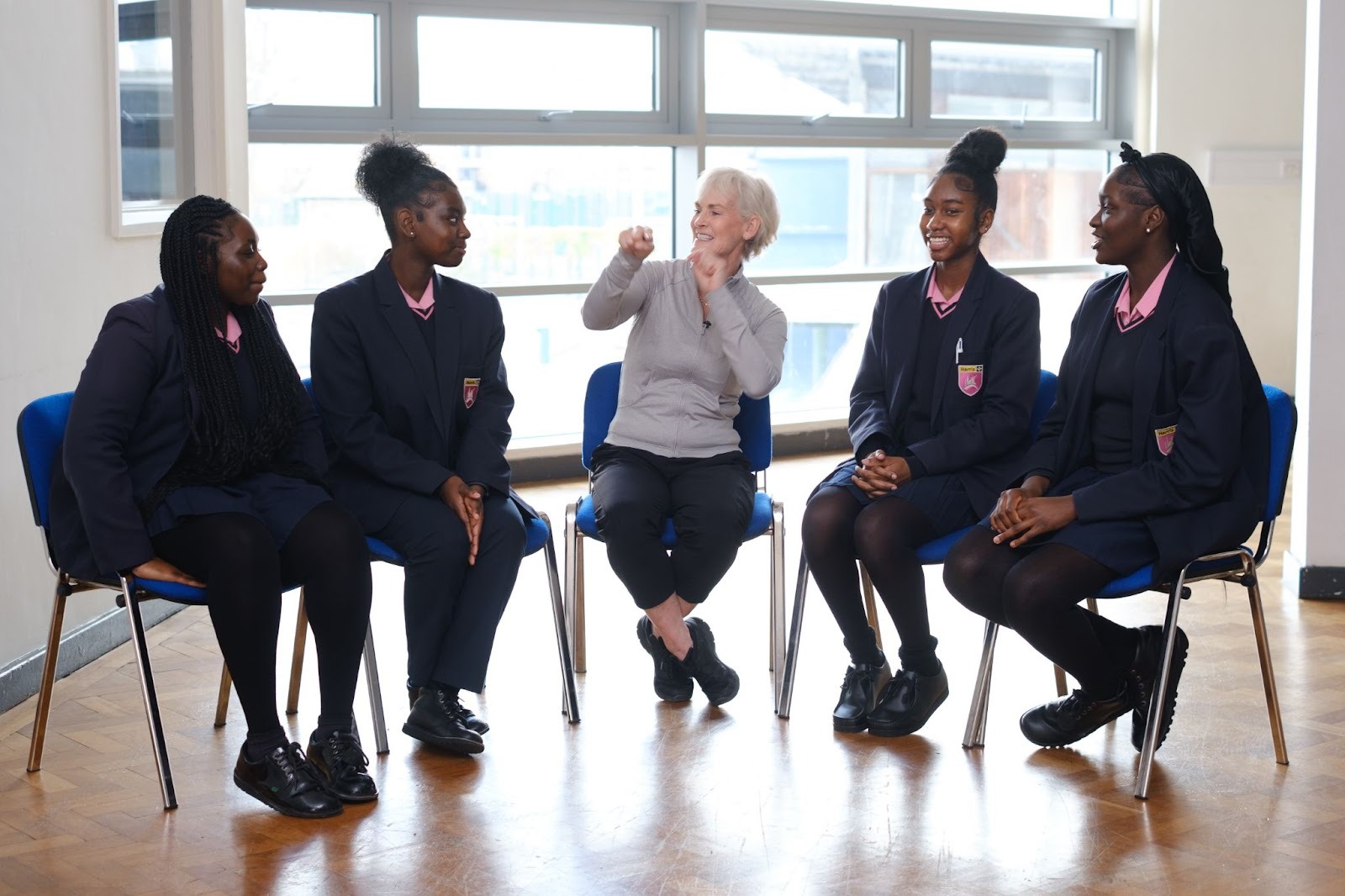
Our launch film produced and directed by our Club Collective partners My Perfect Cousin, featuring real girls, gave the campaign the emotional weight. Both Judy Murray and Dame Denise Lewis lent their voices to the campaign as genuine advocates, adding credibility to the Foundation's calls for systemic change.
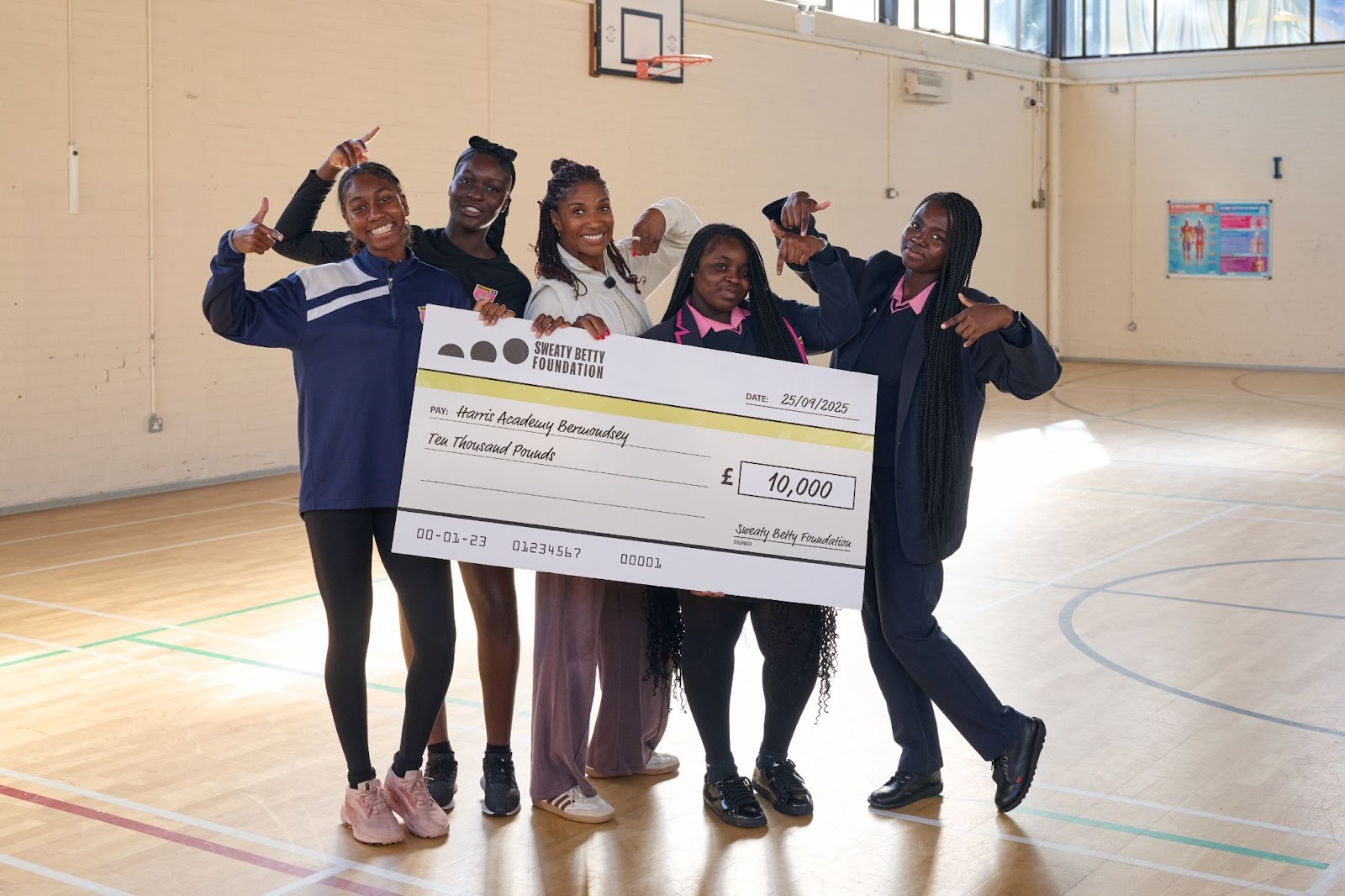
The winning school, Harris Academy Bermondsey, received a £10,000 grant to revamp their changing rooms. The other four participating schools each received £2,500 to begin improving their facilities too.
The Impact
The campaign established the Sweaty Betty Foundation as the authoritative voice on girls' PE participation and changing room design in the UK, generating media coverage,
Government engagement, and funding to scale the model into more school communities across the country.
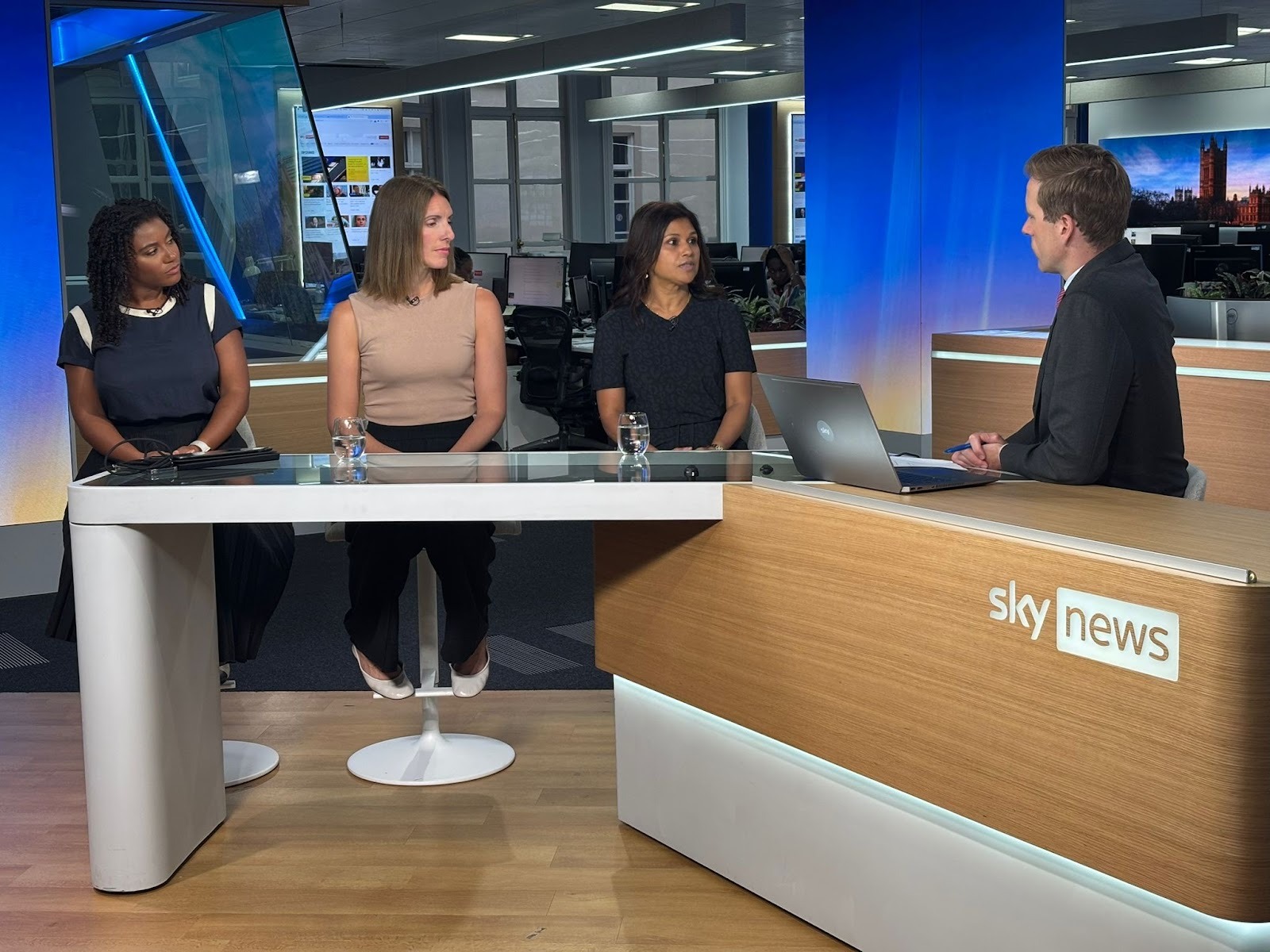
At campaign launch Fanclub delivered 81 pieces of coverage across digital and broadcast media, including 19 TV and radio placements spanning Sky News, multiple BBC Radio regions, and Global Media stations including Greatest Hits and Heart.
The broadcast reach was significant. Sky News averaged 67,670 viewers, while radio appearances spanned stations with substantial listener bases, BBC Radio Bristol reached 88,000 listeners, BBC Radio Essex 136,000, and Greatest Hits Radio 71,000. Heart Radio Bristol, where the campaign secured multiple appearances, reached 210,000 listeners, making it one of the highest-impact placements of the campaign.
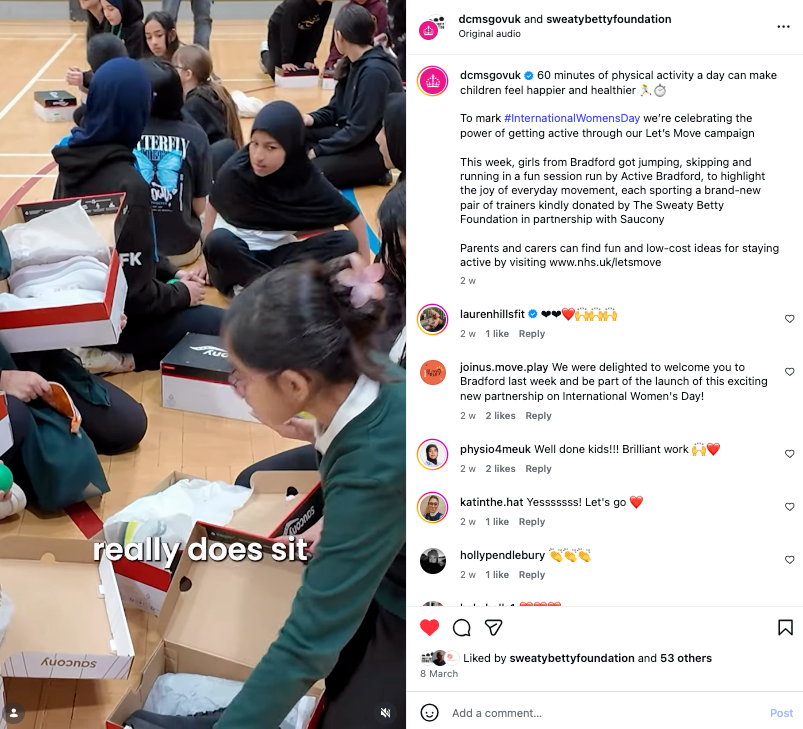
The campaign's impact extended beyond media coverage. Following launch, Fanclub facilitated government engagement with the Department for Culture, Media and Sport. This directly led to a formal partnership between the Sweaty Betty Foundation and the Government's 'Let's Move!' campaign, with Fanclub securing an ITV Yorkshire broadcast placement.
That partnership with DCMS saw the Foundation donate free pairs of trainers to girls in Bradford, Essex, Sandwell, Blackpool and the wider Lancashire region, with Sports Minister Stephanie Peacock publicly endorsing the Foundation's work, a significant marker of the Foundation's growing influence as a government partner, not just a campaign voice.
Afsana Lachaux, Director, The Sweaty Betty Foundation says:
“Fanclub truly operates as an extension of our team. They don't wait to be asked, but spot opportunities, flag potential challenges before they arise, and bring forward ideas that move our mission forward. The entire team is genuinely invested in our success and for any organisation operating with limited resources, having a partner who gets it and steps up to fill the gaps, makes all the difference”